


Current Exhibitions
Anna ( Where love ends, hate begins)
by
Jana Koelmel
Artist Talk: Saturday 10.October 3 – 4 pm
1 – 24 October 2026
“If the world could write directly, it would write like Tolstoy.” – Gary
Saul Morson (Literary Professor)
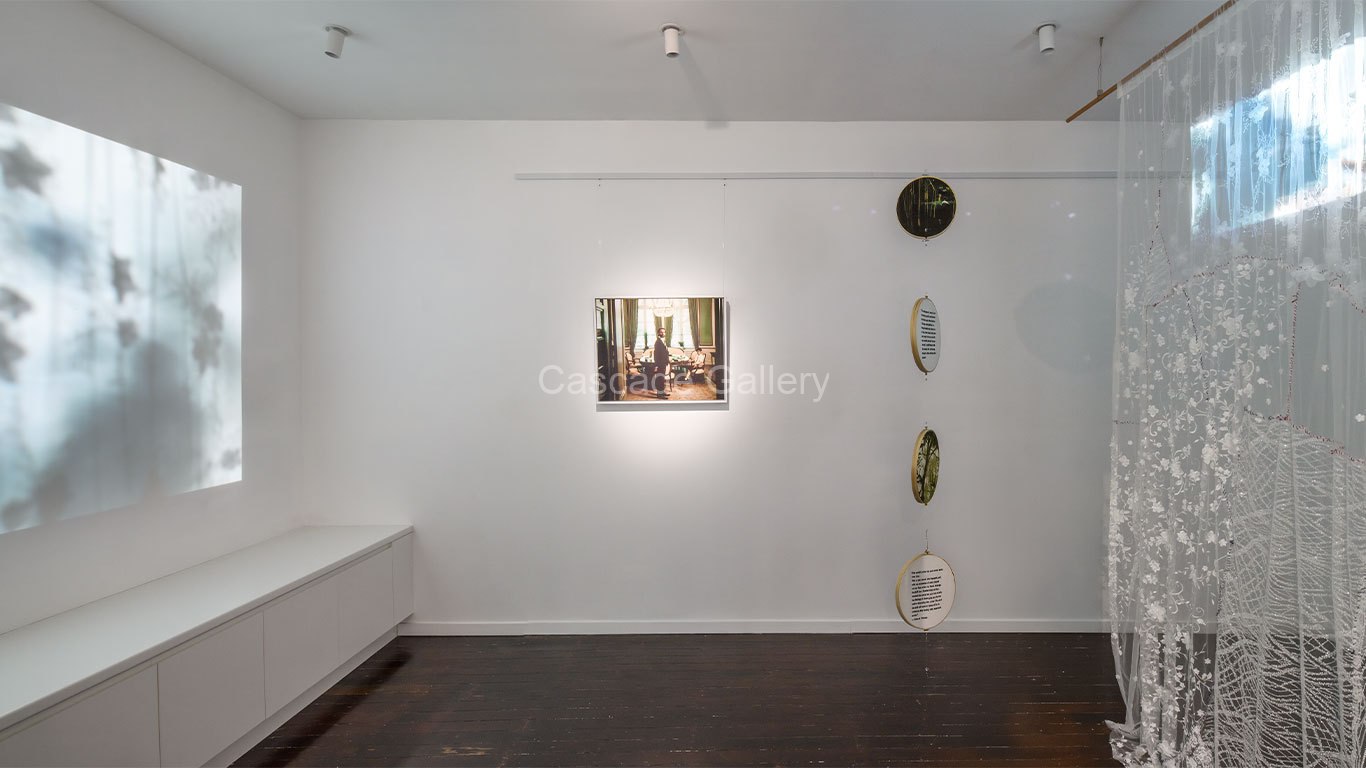
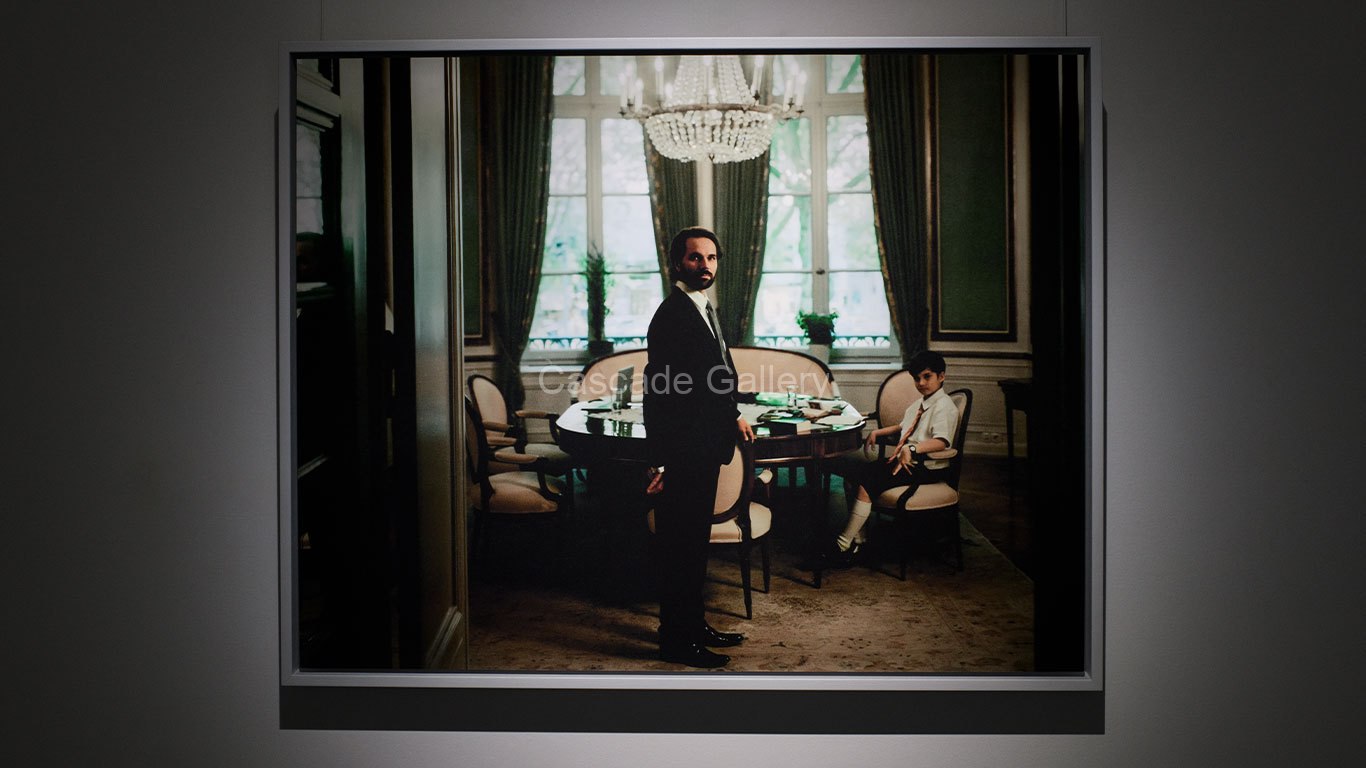
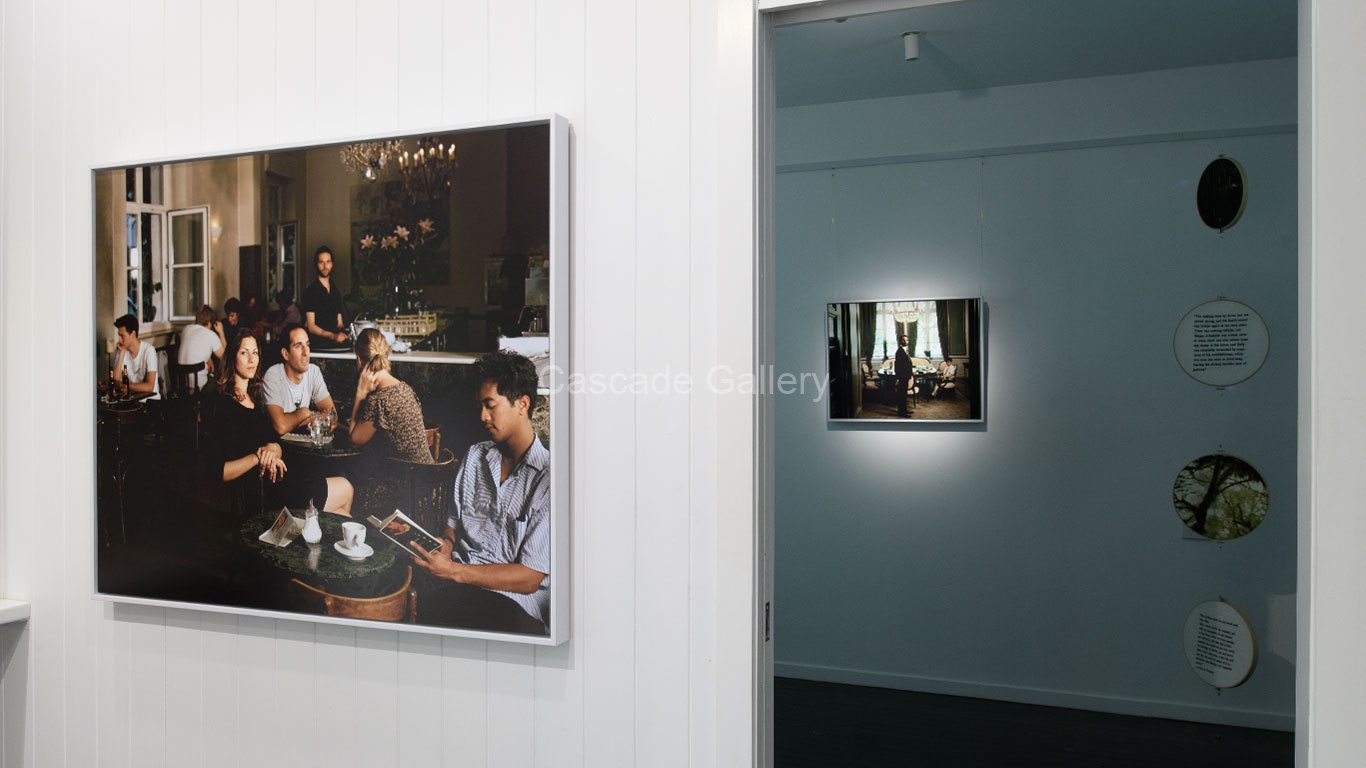
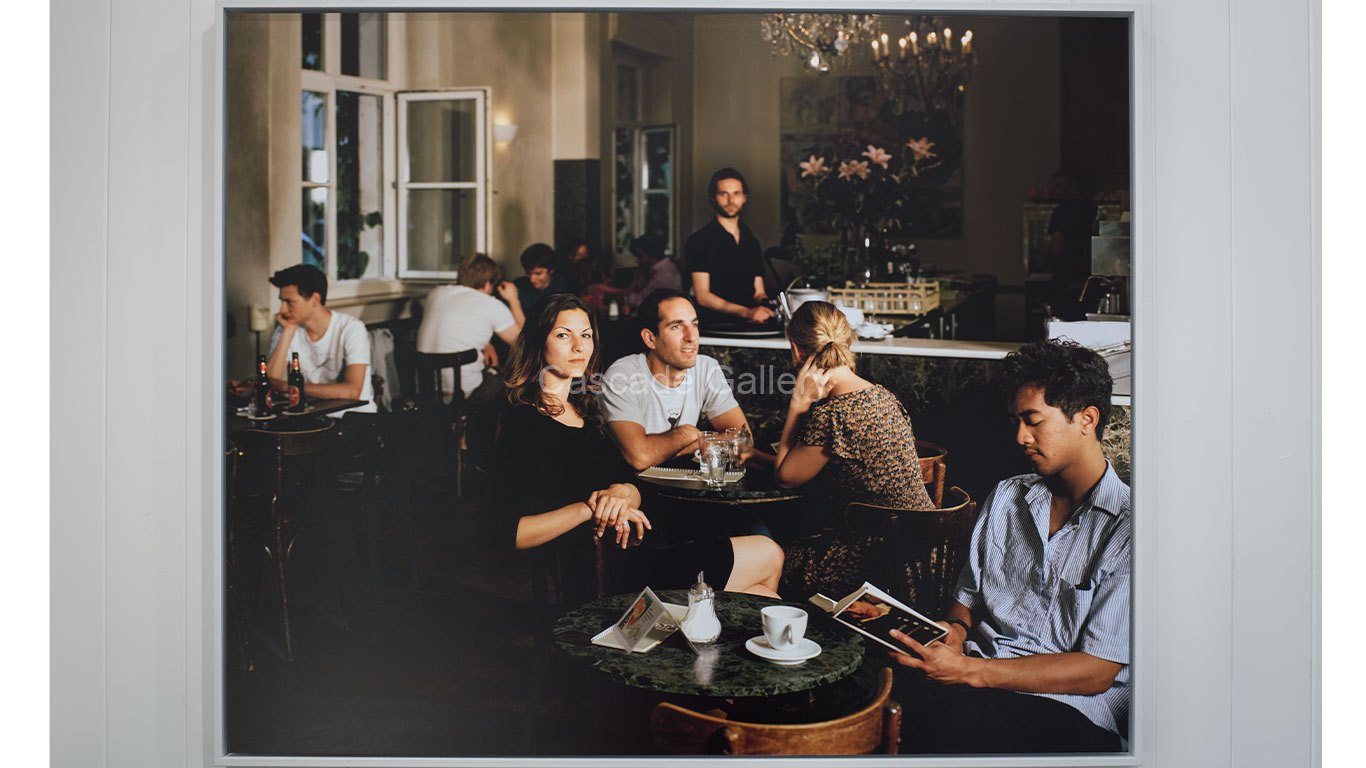
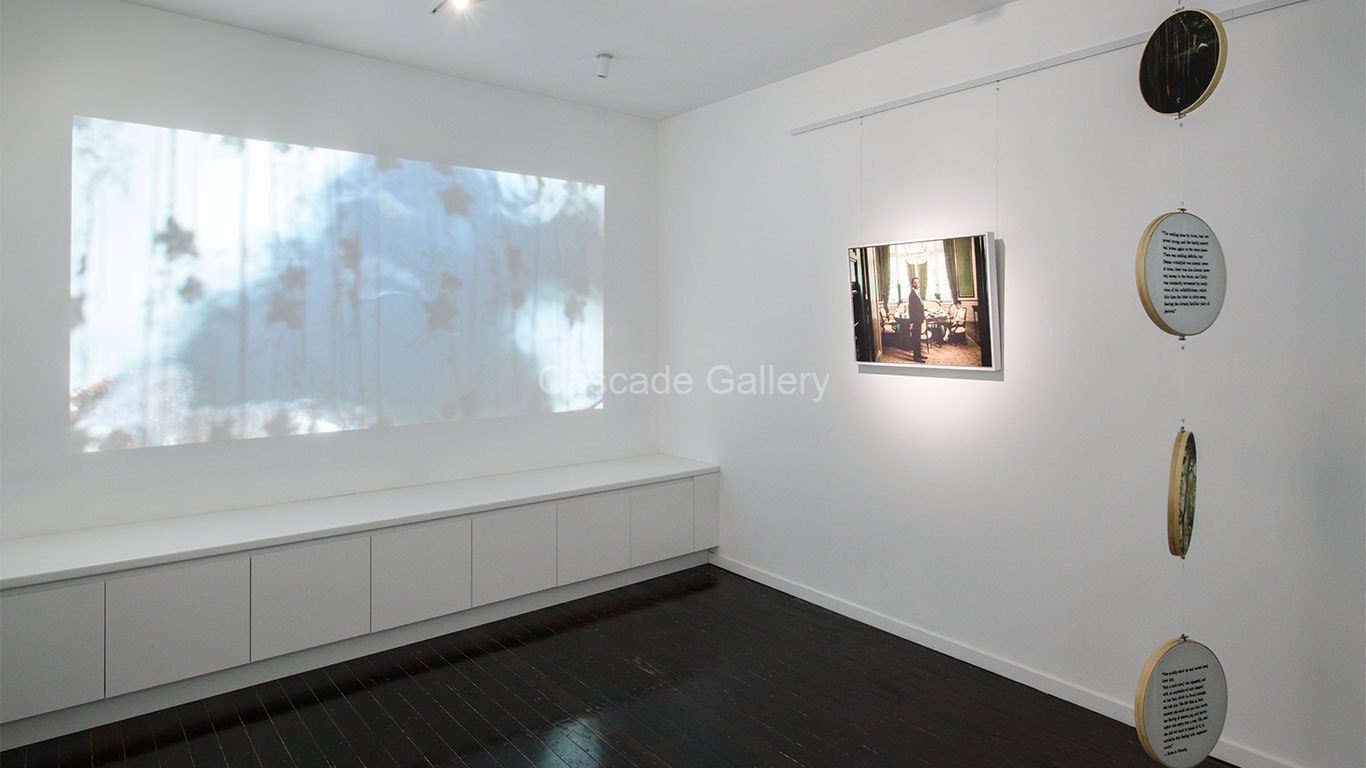
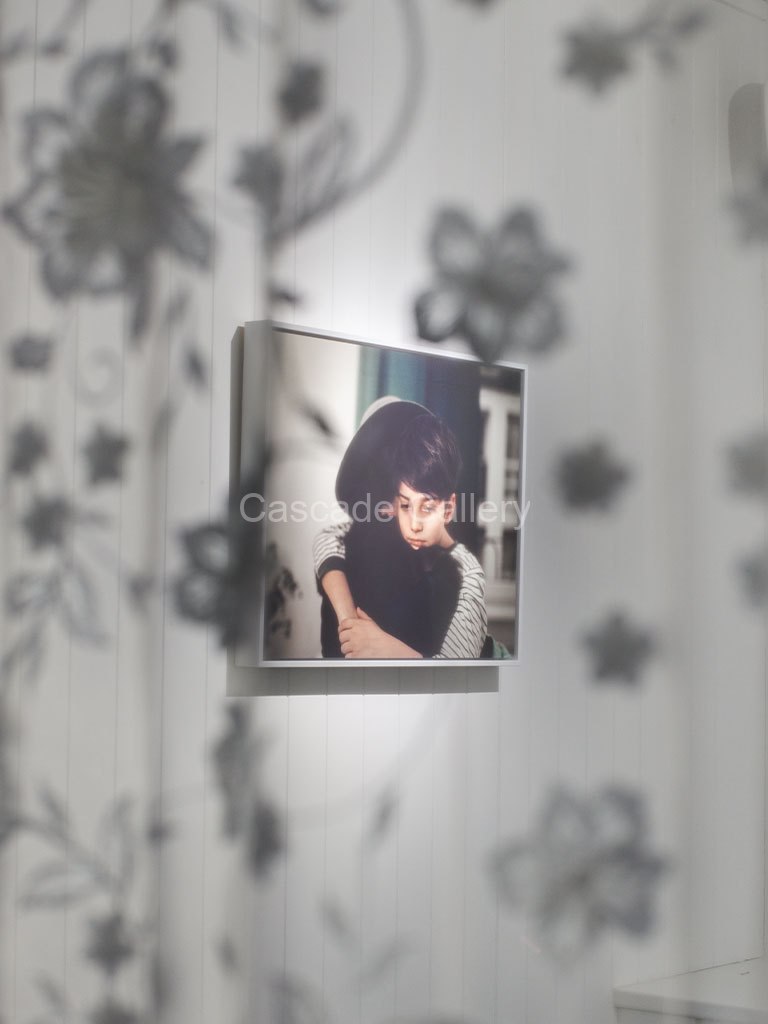
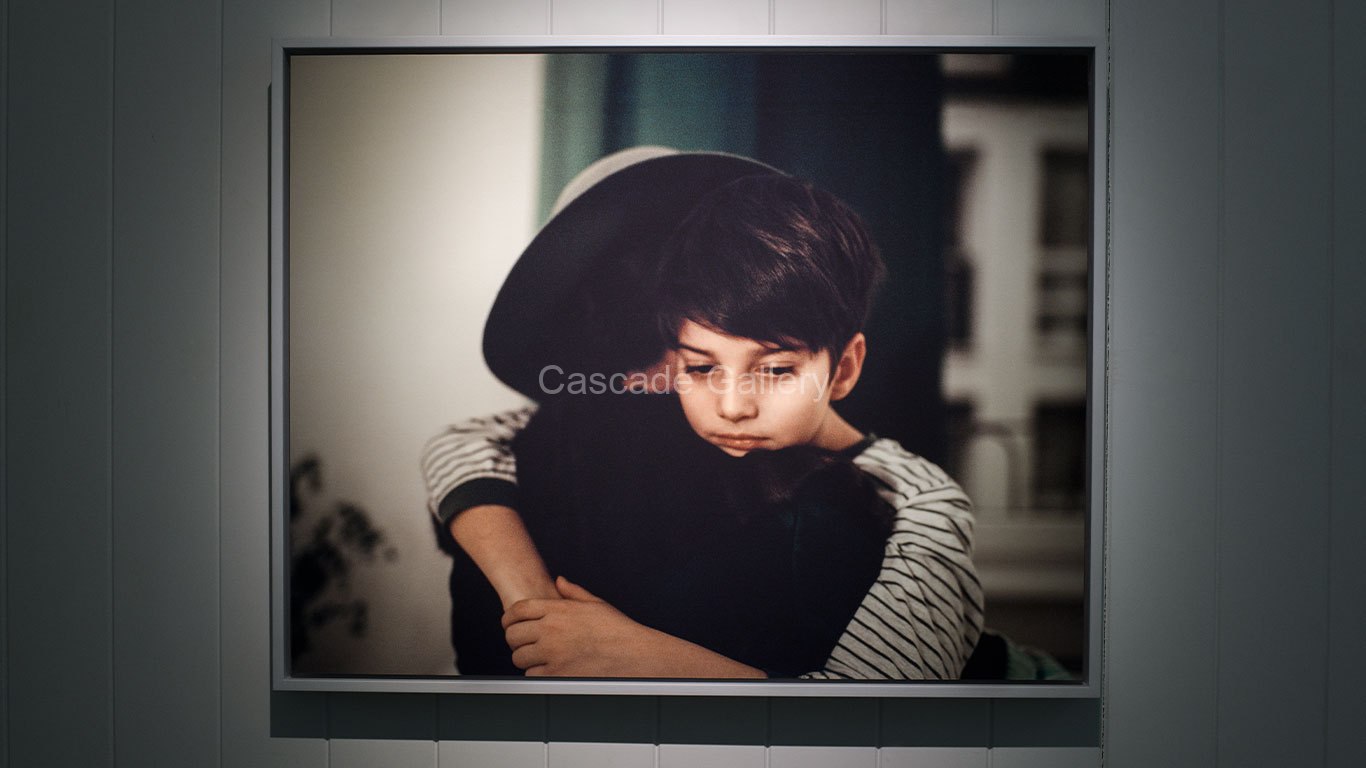
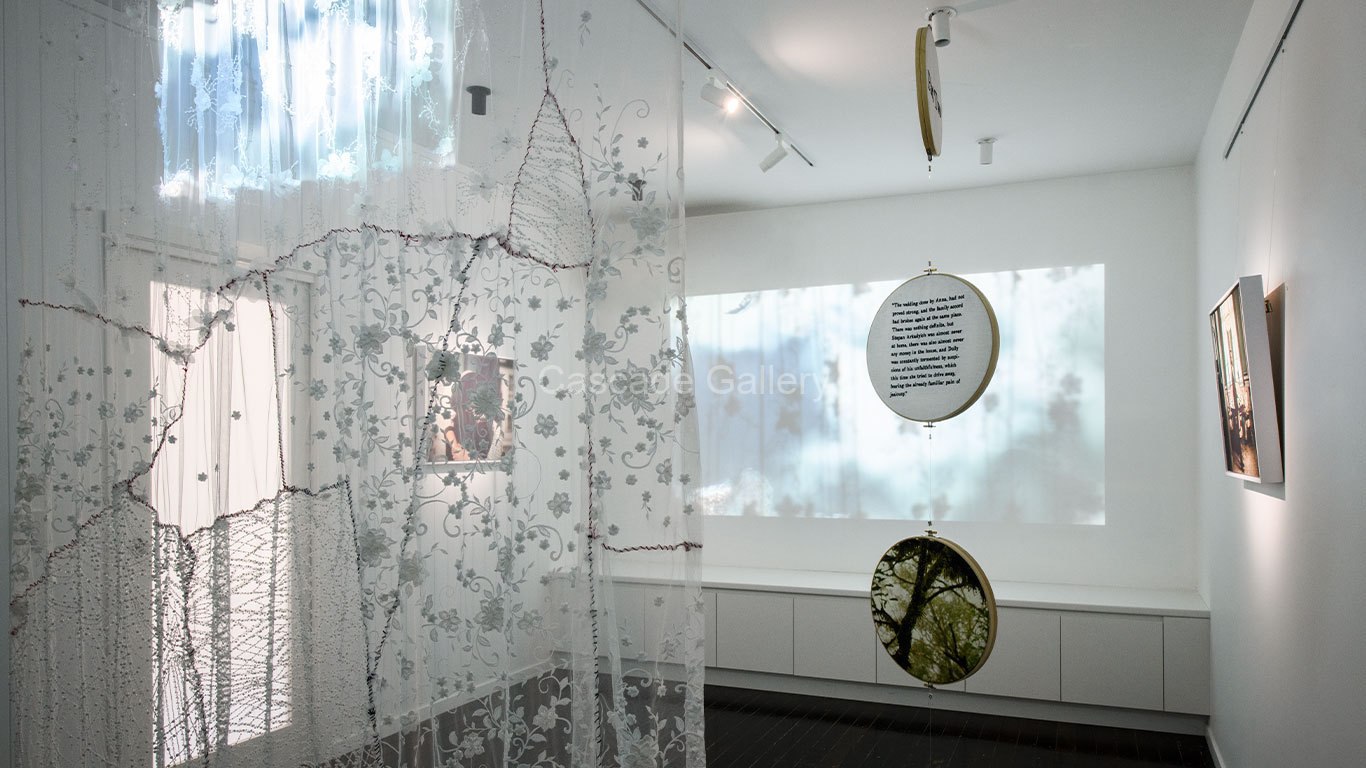
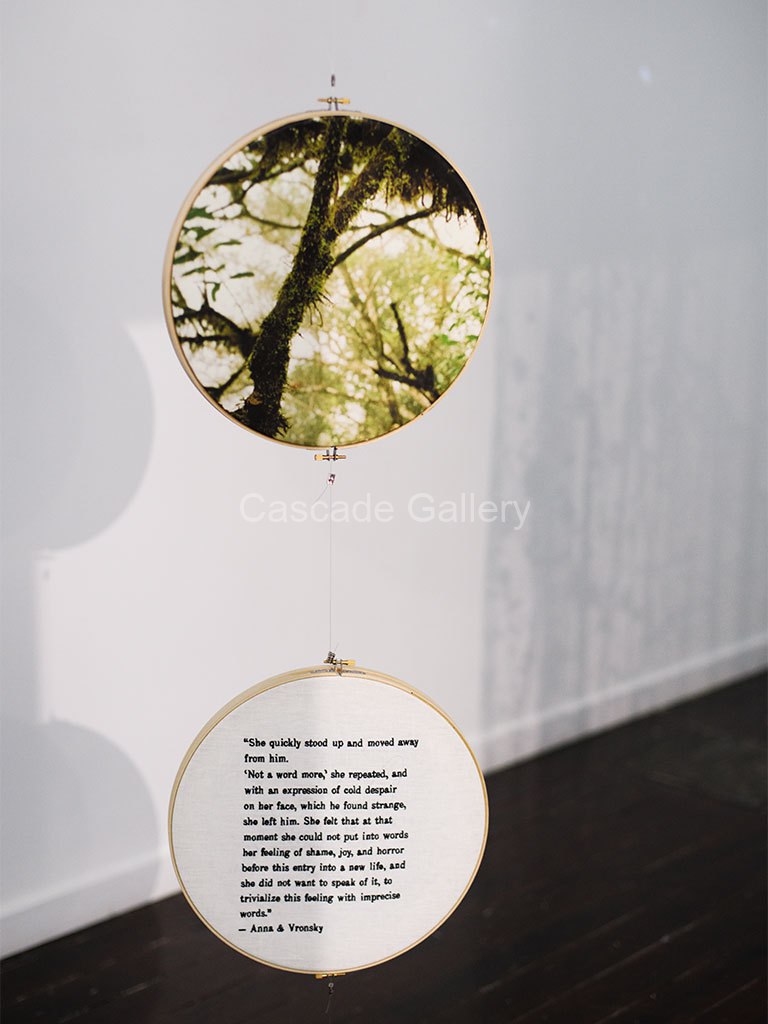
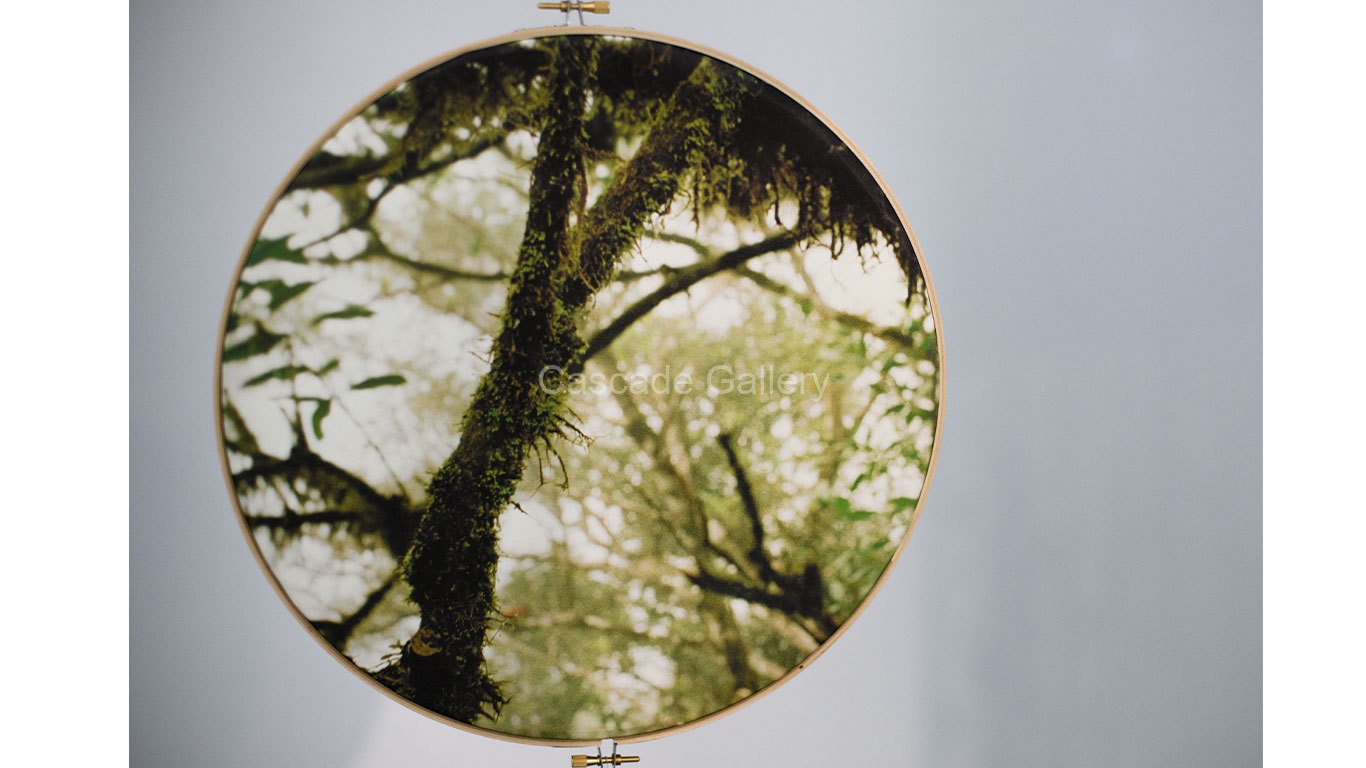
This exhibition is a multimedia installation centred on staged photographs inspired by Tolstoy’s Anna Karenina, stemming from a decade-long obsession. Mystic landscape photographs frame the portraits, whilst embroidered citations and a video projection on lace fabric add tactile, immersive elements. The installation captures psychological subtleties and examines themes of family, love, societal tensions and gender inequalities. Anna’s tragedy of being torn between social prestige and romantic passion draws an unforgiving portrait of society that remains relevant today.
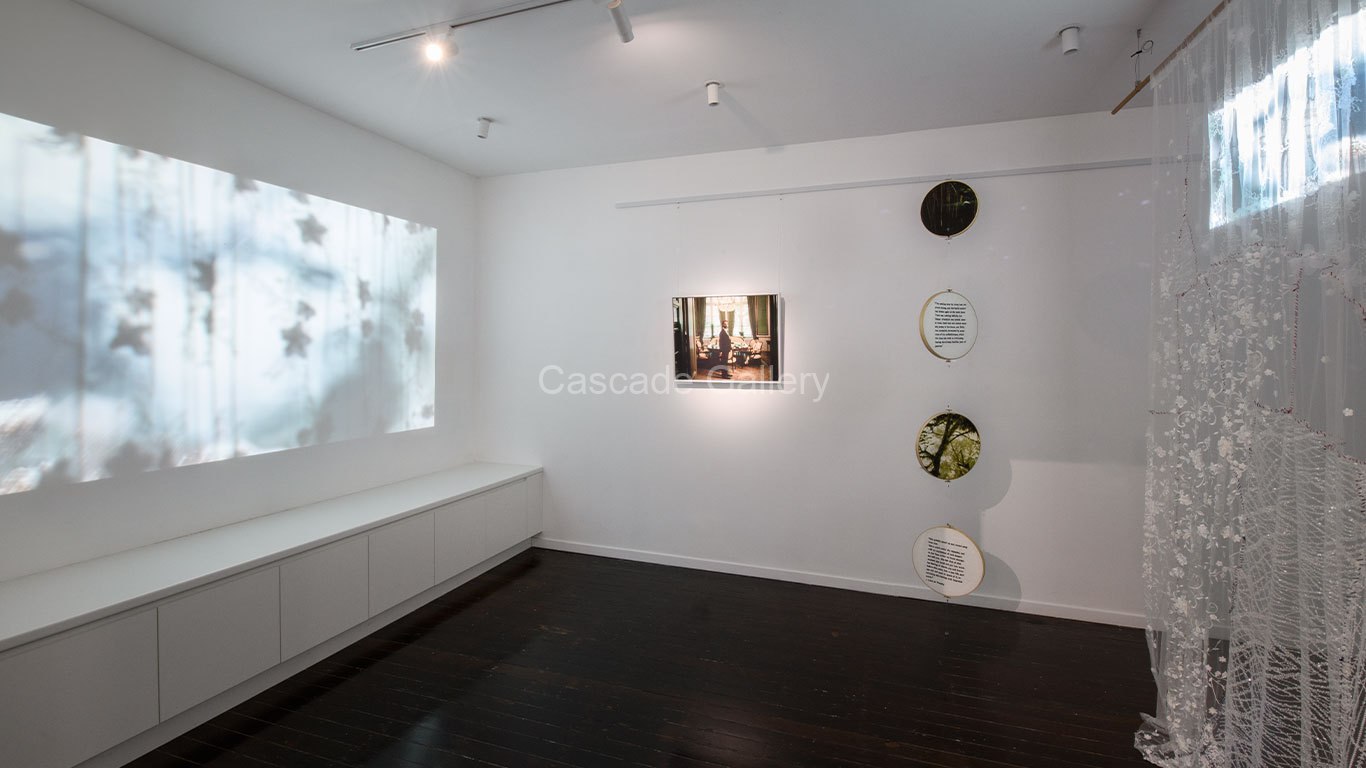
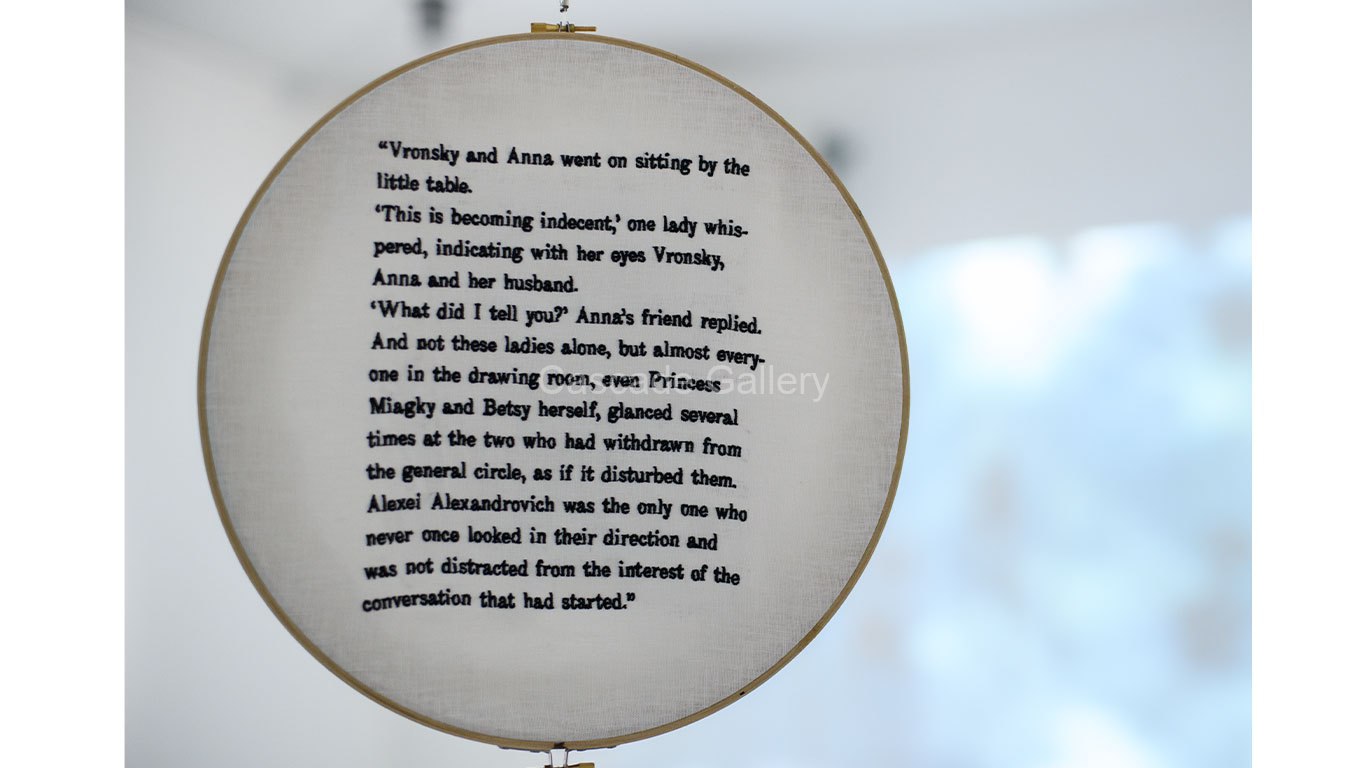
The portraits draw on Jeff Wall’s photographs, as well as painters such as Édouard Manet, James Tissot, Mary Cassatt and Caspar David Friedrich. Borrowing Wall’s process, I begin each portrait by not photographing. First, I create the image in my mind by choosing the right setting, model, location, and arrangement. From idea to final photograph, it often takes over a year. Shot on analogue large format, across continents and decades, the portraits hold up a mirror and echo familiar emotions. They are presented in white floater frames. Selected citations are machine-embroidered onto coarse linen, pointing to the presence of gendered needlework in the novel. The citations offer insight into each protagonist, while critically examining Tolstoy’s writing from a female perspective. Framed in round embroidery frames, these are suspended from the ceiling using nylon thread.
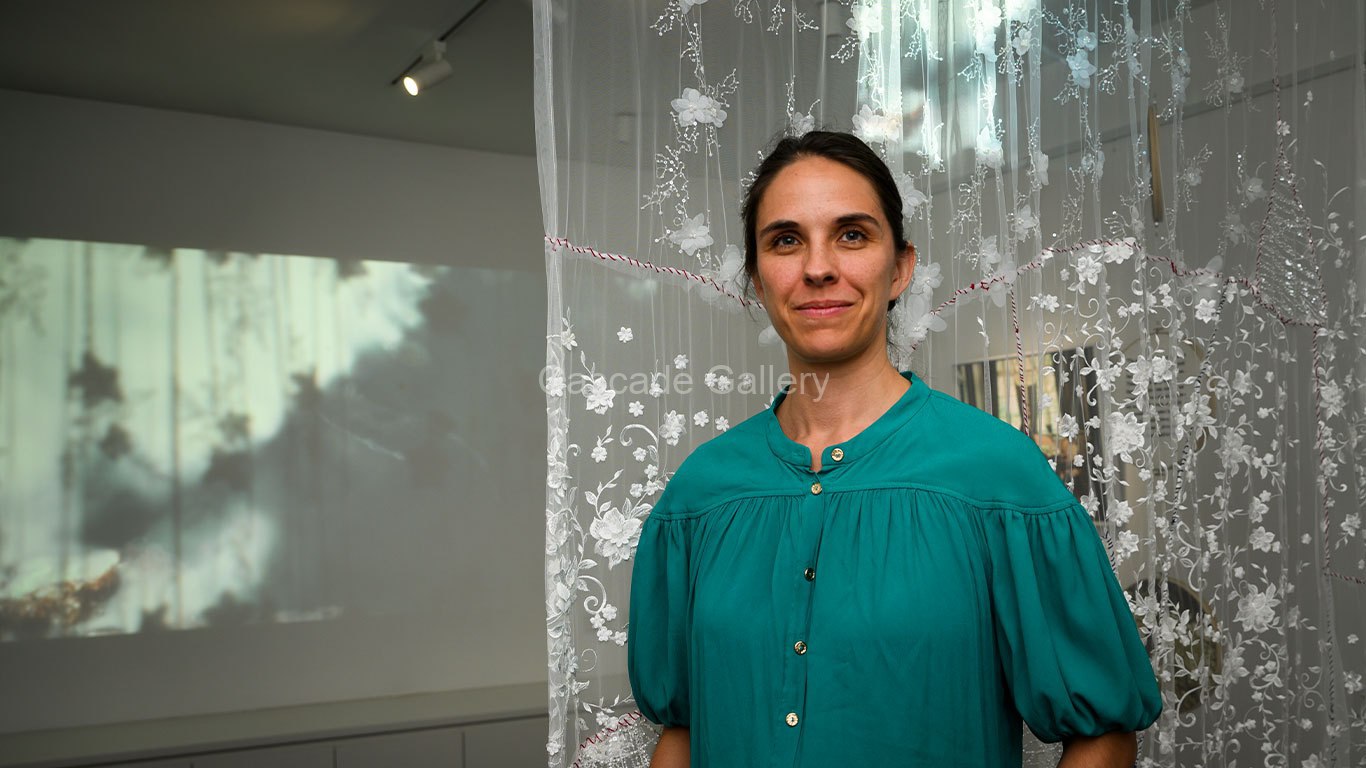
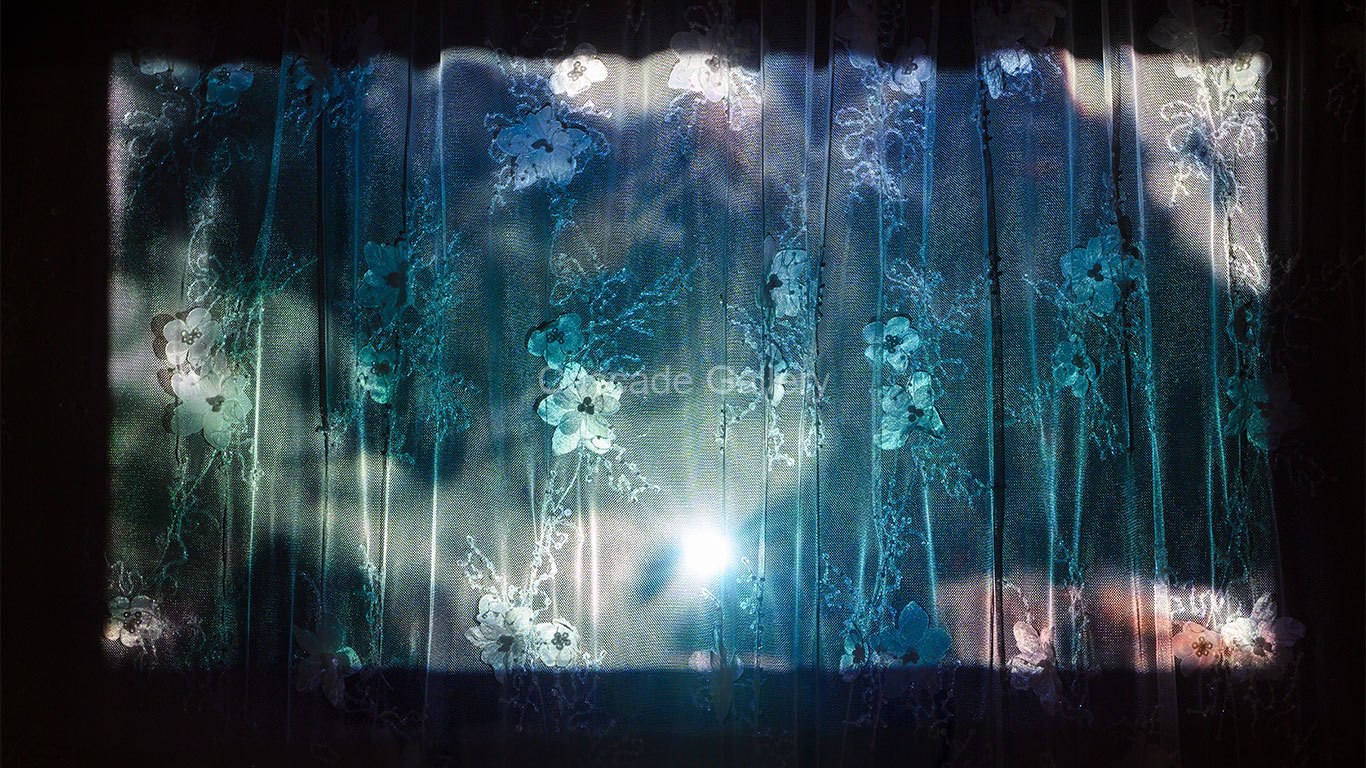
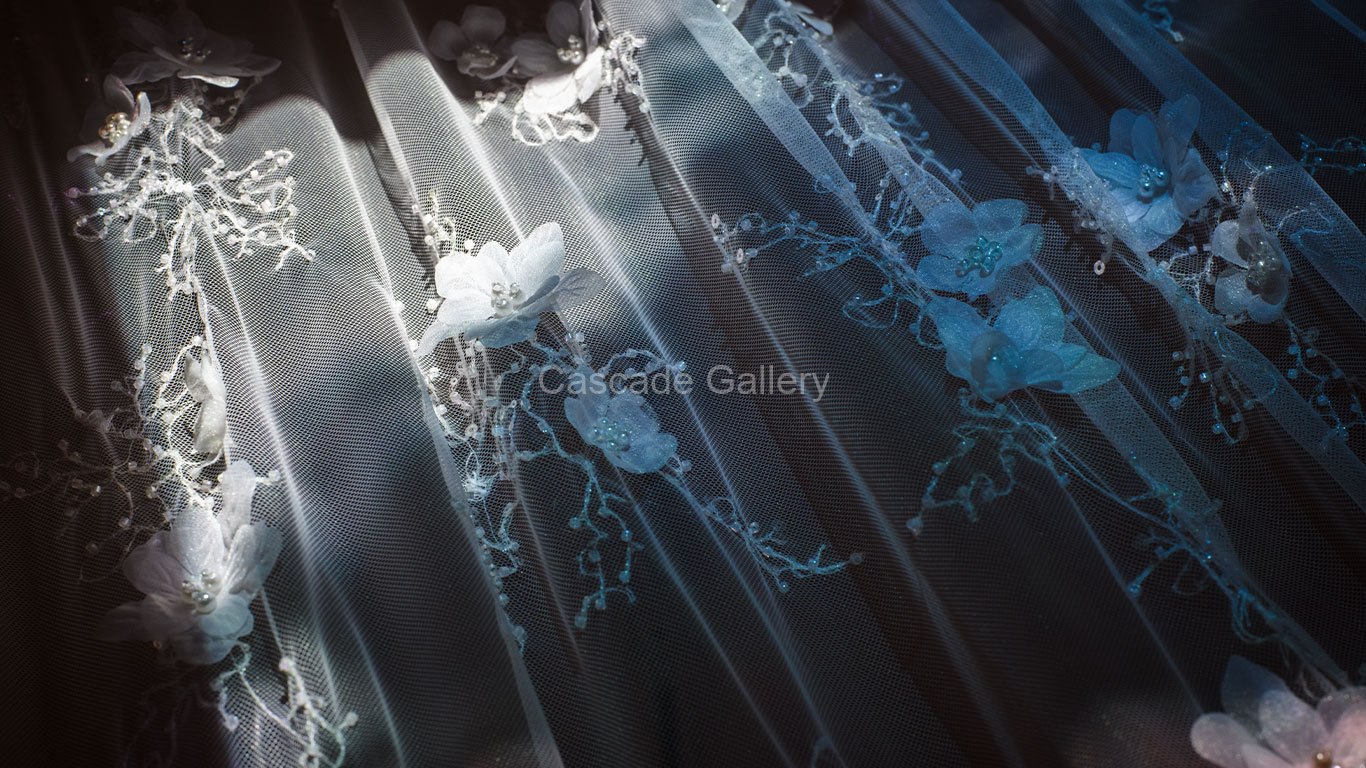
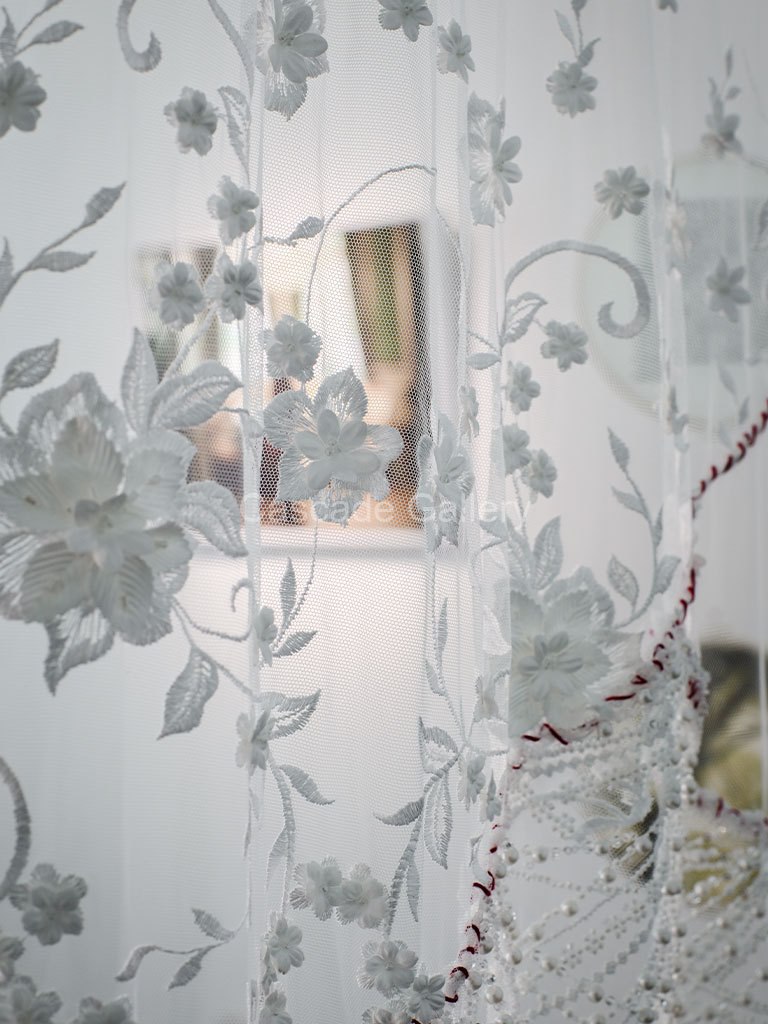
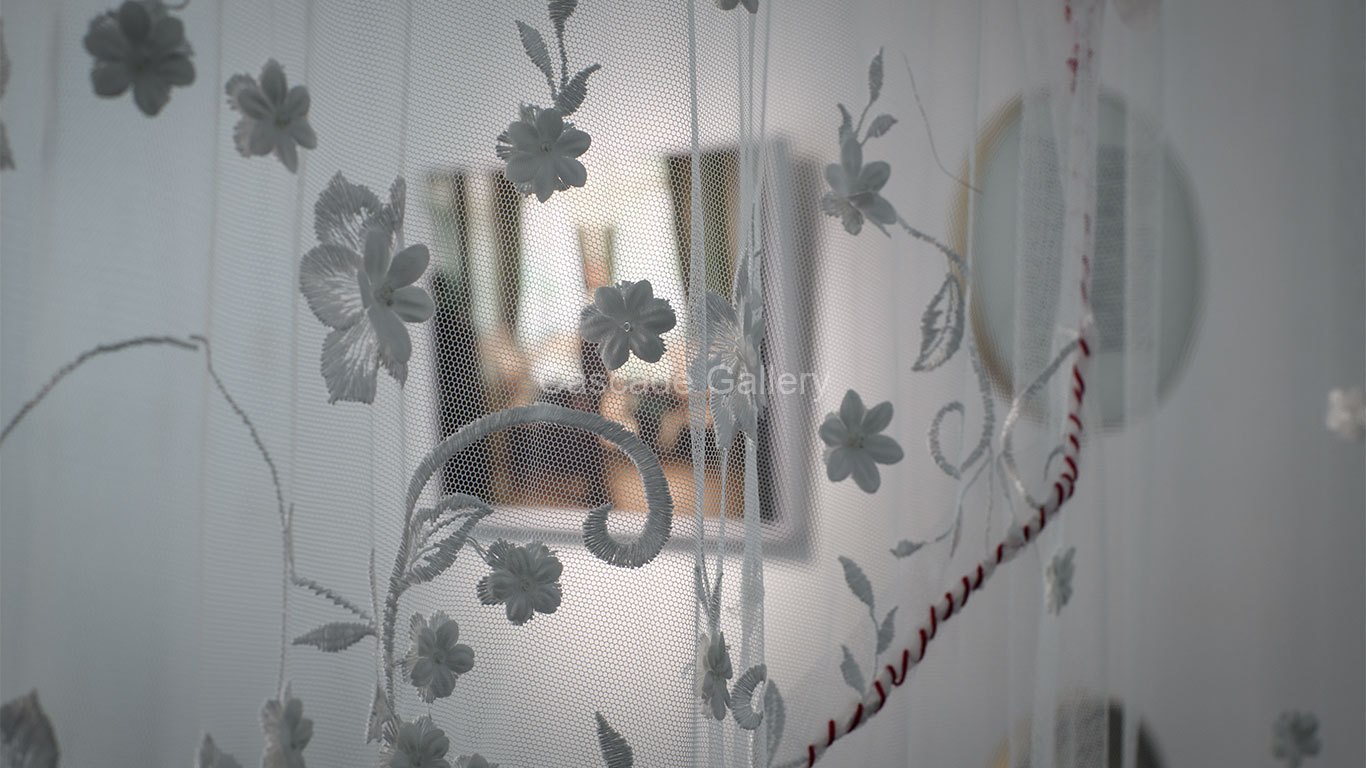
The last element of the installation is a piece of patchworked lace fabric, also suspended from the ceiling. An ephemeral looped video piece is projected onto the fabric. It hints at the fragmentation of Anna’s mind and speaks to the veiling and unveiling of her inner landscapes. The project’s title hints at the question at its heart: What separates love from hate? Choosing love, as Tolstoy’s characters demonstrate, is much harder than nurturing feelings of disdain, vanity and envy. Subconsciously, humans tend to choose the path of hate out of fear or selfish motives, while rationalising their actions. Tolstoy lays bare this inner struggle within the microcosm of family. His alter ego, Levin, wrestles with finding answers to the meaning of life. To him, the path of good – that is, love becomes effortless when he focuses on manual labour, country life and his family’s needs over city life and its distractions.
Adapting the novel’s themes to our time, I wondered if Tolstoy’s ideals still hold value. How can we succeed on the path of good in a world where machines have replaced most manual labour, distractions are always at our fingertips, and thanks to AI, even our intellectual work is fading? Tolstoy wrote a family novel as a form of rebellion, to challenge inauthenticity. My use of analogue technology to examine a historic piece is my quiet rebellion against a culture saturated with artificiality, distraction
and separatism. I find both solace and discomfort in the fact that a text written over a century ago remains this relevant. Has society not progressed as much as we assume? Or is what stands the test of time a consequence of the interconnected nature of humankind?
Photos by Michelle Bowden